
HR leaders nowadays are balancing the need to reduce turnover and prevent burnout while maintaining high productivity levels. It’s now clear that looking after employee well-being is no longer optional; it is the most effective way to reach these business goals. However, it is vital to remember that well-being initiatives should never be used to compensate for a toxic environment. Having a lack of psychological safety and extreme burnout cannot be "fixed" by perks alone - these programs must reinforce an already healthy culture.
This guide provides practical guidance for all companies in Malta. It uses local data and international best practices to help design employee wellbeing programs that improve staff satisfaction, productivity, and retention.
What Makes a Well-Being Program Effective
A well-being programme is more than a collection of perks or benefits. At its core, it’s a structured way for employers to support employees’ mental, physical, and emotional health. However, the biggest challenge for HR teams isn’t launching a programme; it’s making sure employees actually use it.
The Challenge of Confidentiality
In a small island community like Malta, privacy is often the biggest challenge. When “everyone knows everyone,” employees may be hesitant to engage with internal support programmes, especially when mental health is still surrounded by stigma. At KonnektTalexio, we have found that targeting mental well-being requires a deep, ongoing understanding of the specific struggles and stresses inherent in different roles. Because this is so personal and delicate, ensuring complete and total confidentiality in how employees access support is the only way to ensure the initiative succeeds. To overcome this, you should consider partnering with external, reputable providers who are clearly independent from the employer.
Providing What Actually Matters
Relevance is the next piece of the puzzle. For a well-being programme to work, it must offer support that your team actually wants, rather than what management assumes they need. To ensure your investment doesn't go to waste, it is wise to run a short employee survey before launching anything. By asking your staff directly about their priorities - whether they value flexible hours, mental health days, or physical fitness - you can build a programme that people will actually use and appreciate.
Removing Barriers to Access
Finally, accessibility can make or break even the most thoughtfully designed programme. Support must fit into the reality of an employee’s day - taking into account commuting times, family responsibilities, and local conditions. By offering digital options, flexible participation methods, or conveniently located services, you ensure that well-being support is not just available in theory, but genuinely usable in practice.
Why Well-Being Programs Strengthen Retention and Performance
Another challenge for HR leaders is proving that these well-being programs support core business outcomes. When employees feel supported, they stay longer, perform better, and show stronger commitment to the organisation. This directly reduces the churn and performance gaps that HR teams are continually asked to solve.
Local data reinforces this need. A 2025 MISCO survey found that 88% of employees in Malta have faced periods of poor mental wellness at work. This means higher risk of burnout-driven resignations, increased sick leave, and disengaged staff. While the need for mental health support is not always evident in the day-to-day office environment, the link to performance and engagement is real, and usage of these services is currently higher than ever.
The cost of ignoring this is significant: replacing a single experienced employee can require anywhere from half to four times their annual salary once you factor in lost output, hiring, onboarding, and re-training.
Well-being programs don’t just support individuals - they stabilise the workforce. Global Gallup benchmarks consistently show that teams with strong engagement record higher productivity and far lower absenteeism.
The Best Well-Being Programs
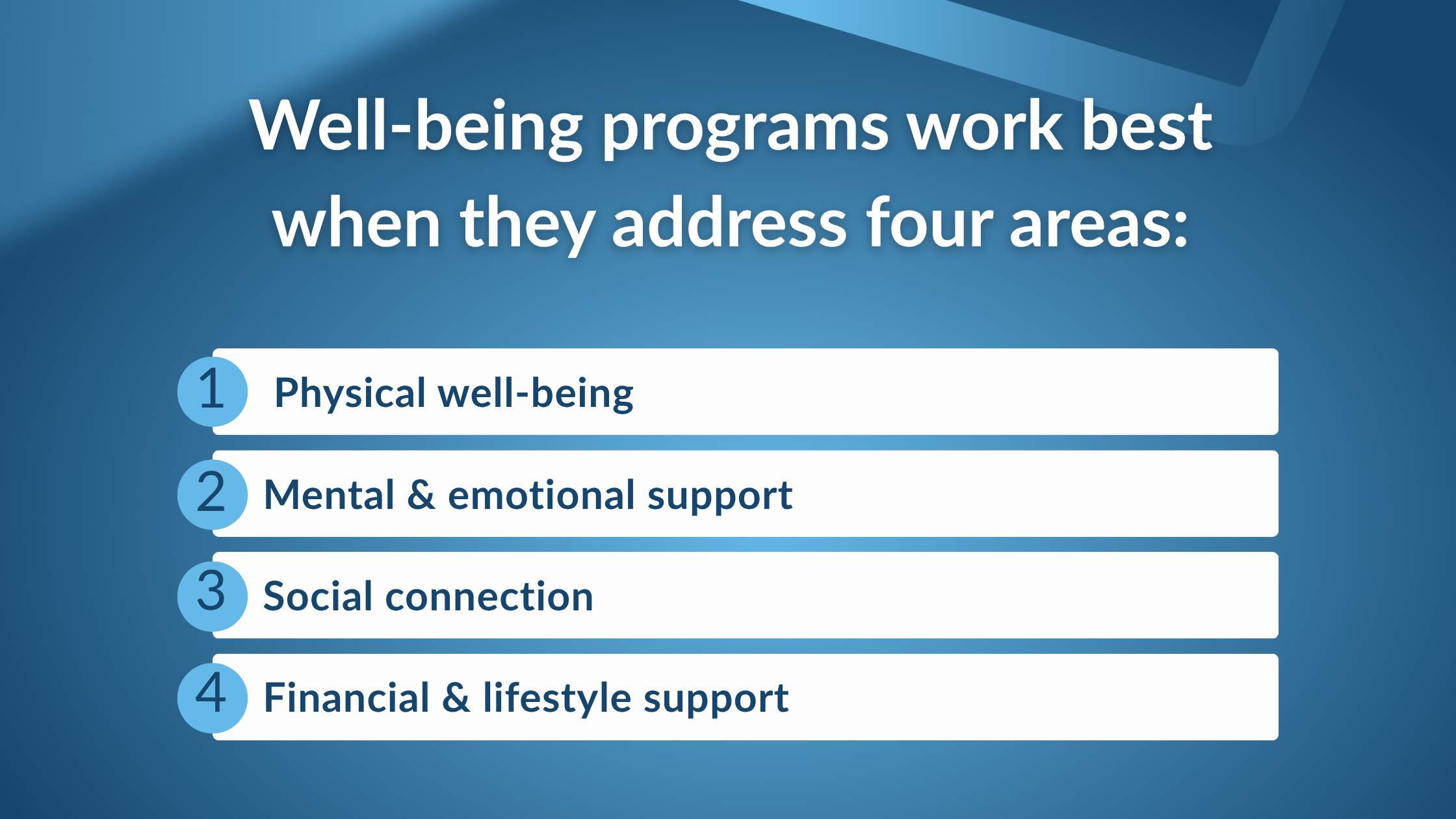
1. Physical Well-Being: Nutrition, Fitness, and Comfort
Physical health isn't just about exercise; it's about nutrition, environment, and comfort.
Office Nutrition: For larger companies, providing nutritious meals at work can be a valuable well-being initiative, such as offering weekly catered lunches or hiring a part-time chef. While these options may not be feasible for smaller organisations, even modest measures - like providing fresh fruit and snacks, sharing simple nutrition tips, or allowing flexible lunch hours - can make a meaningful difference.
Fitness Access: At KonnektTalexio, we found that providing discounted rates at gyms was a straightforward yet effective way to target physical health, supplemented by occasional on-site activities like yoga. To overcome local traffic and commuting challenges, companies should prioritize gym networks with multiple locations or nearby facilities. These can be combined with micro-fitness interventions - such as standing desk converters and short standing meetings - to effectively reduce sedentary time.
Work Environment: The physical setup of the workplace has a direct impact on employee well-being. Desk-based roles, in particular, can lead to chronic pain and fatigue if ergonomics are overlooked. Including ergonomic assessments, posture education, or access to physiotherapy support as part of a well-being programme helps reduce strain, discomfort, and long-term health issues.
2. Mental & Emotional Support
Employee Assistance Programs (EAPs): EAPs are structured services that give employees confidential access to professional support for personal or work-related issues, such as psychological counseling and stress management. This is an initiative currently being rolled out at KonnektTalexio, ensuring partnered, professional support is easily accessible. We ensured that the process is 100% private; this allows employees to seek help without fear of stigma or their employer seeing the details.
Resilience Training: Resilience training equips employees with practical skills to cope with stress, adapt to change, and recover from setbacks. Unlike general wellness workshops, these programs focus on actionable techniques - such as managing workload, regulating emotions, and developing healthy habits - that employees can apply in daily work life.
Digital Tools: Online platforms and apps can complement these programs by offering discreet, flexible support. Mindfulness or meditation apps help employees practice stress management at their own pace, while secure online counselling services provide confidential psychological support. In Malta, digital options are especially valuable for maintaining anonymity when in-person sessions might feel intimidating.
3. Social Connection
Volunteering: Team volunteering fosters collaboration and purpose while giving back to the community. Activities can include organising beach or park clean-ups, supporting local shelters, participating in charity fundraisers or mentoring students.
Team Engagement: Activities such as sports, group hikes, or obstacle courses can help employees build stronger relationships. Higher-impact events, like quarterly offsite gatherings tend to create more meaningful connections. Moreover, remote employees are more likely to participate in well-planned, one-off events than in casual after-work drinks. One successful initiative at KonnektTalexio was a team boat trip to Comino, which encouraged participation, informal interaction, and stronger team bonds.
Recognition: Peer recognition lets colleagues acknowledge each other’s contributions. In Maltese companies, this can be as simple as public shout-outs in team meetings, digital messages on collaboration platforms, or small monthly awards. It strengthens engagement, reinforces positive behaviours, and helps employees feel valued by their peers.
Inclusion & Belonging: A sense of inclusion and belonging is essential for employee well-being because it affects engagement, motivation, and overall mental health. When employees feel valued and connected, they are more likely to collaborate, share ideas, and remain committed to the organisation. Simple practices - such as establishing clear communication norms and celebrating meaningful team moments like milestones or cultural events - can strengthen social bonds and help everyone feel part of the team. By fostering an inclusive environment, organisations support both individual well-being and a more cohesive, productive workplace.
4. Financial & Lifestyle Support
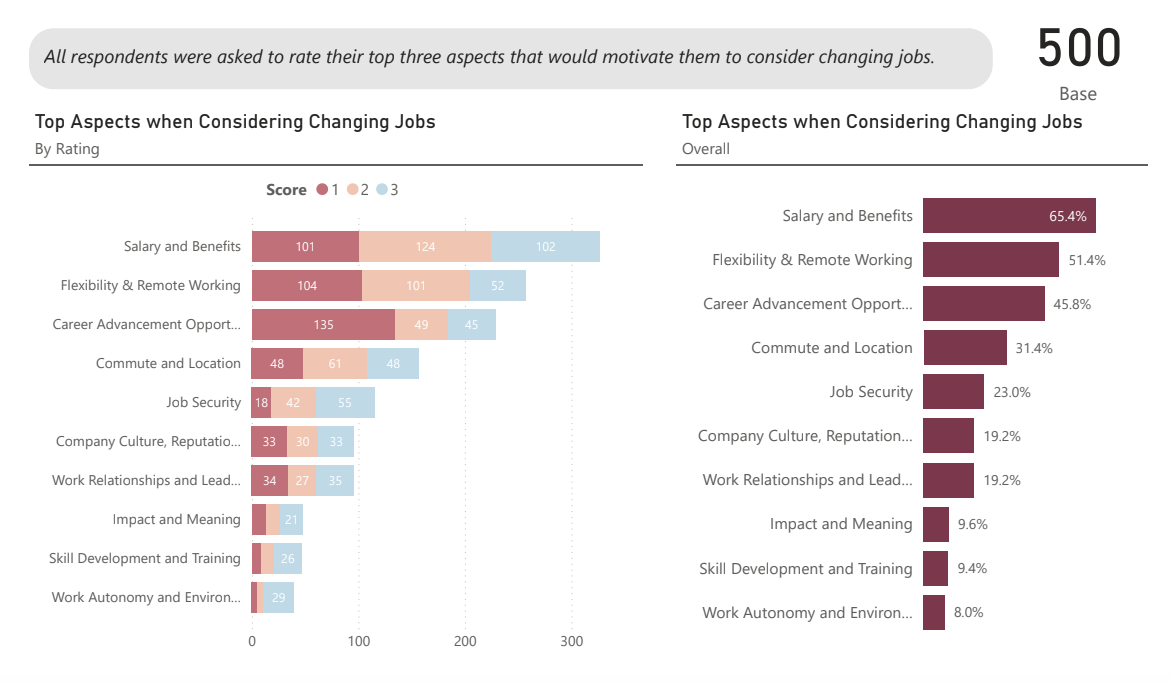
Financial Perks: Personal well-being is often linked to financial security. The KonnektTalexio Candidate Survey 2025 - which evaluated the job-searching habits and preferences of 500 respondents (ages 16–64) between April and June 2025 - highlights this priority. In fact, 51% of respondents ranked comprehensive health insurance among their top perks in an ideal job offer. Companies can also support employees through broader financial benefits, such as discounts or savings programs that help reduce everyday expenses.
Lifestyle Workshops: Companies can organise workshops that support employees’ overall well-being, covering topics such as productivity, nutrition, personal finance, and general wellness. For example, at KonnektTalexio, we work closely with Financial Coaches to deliver financial guidance sessions on budgeting, savings, and retirement planning. Across our various workshops, we have seen high levels of participation and found that team members often reach out to the visiting professionals for further individual support. This highlights the relevance and value of providing practical, lifestyle-focused training.
Flexible Working and Leave: Options such as hybrid schedules, flexible hours, compressed work weeks, and targeted leave (well-being, birthday, carers’, or emergency) help employees balance work and personal responsibilities. Flexible hours have always been greatly appreciated at KonnektTalexio, and we believe that nowadays it is a requirement for organisations that really value and embrace work-life balance. In fact, according to the KonnektTalexio Candidate Survey 2025, flexible working hours and remote work options ranked among the most valued perks, with 74% of respondents preferring flexible hours and 62% prioritising remote work in their ideal job offer.
Career Development: Other ways to support employee growth include training, certification budgets, and mentorship programs, which can improve engagement and retention over time.
Customising Your Well-Being Programs
Effective well-being programs are based on employee needs rather than assumptions. Preferences vary by team - your staff may value lifestyle discounts, flexible working, or family health insurance depending on demographics. Conduct a simple, anonymous survey to identify priorities, asking questions such as, “What is one change that would improve your work-life balance?”. It is also important to remember that some support may be required on a case-by-case basis, depending on the specific need and situation of the individual.
Demonstrating ROI to Leadership
Tie each initiative to measurable workforce indicators:
-
Engagement and Morale: Track changes through eNPS or Talexio’s Team Voice to show shifts in sentiment over time. At KonnektTalexio, we’ve seen that morale is the most evident area of improvement. Because there is no longer a clear distinction between work and personal life, employees value organisations that support their overall well-being. This doesn't just "boost" wellness; it has a positive, direct impact on psychological safety and engagement.
-
Stability: Monitor absenteeism and turnover. Preventing even one resignation can more than cover the cost of most well-being initiatives. Ultimately, when employees feel that their employer sees their ‘human side’ and cares about them as people - not just for their work - they are far more likely to stay committed to the organisation.
- Performance: Compare team output or service quality before and after implementation. When an organisation fosters psychological safety through well-being initiatives, employees are more likely to share ideas, collaborate effectively, and take ownership of their tasks.
By linking well-being initiatives to measurable improvements in engagement, retention, and performance, HR leaders can demonstrate that these programs are strategic investments. For many organisations, preventing just two or three resignations per year can cover the entire cost of a well-being strategy.
Author: Kane Valletta, HR Business Partner with over 6 years of experience within the KonnektTalexio ecosystem. After two years in recruitment, Kane moved into internal HR, advancing from recruitment and onboarding to 360-degree people operations. He pairs a deep knowledge of the hiring market with a passion for the full employee experience.