When you start out in finance, the career path can seem straightforward: you need to master the technical skills, balance the books, and get every detail right. However, as you progress in your career, you quickly discover that the skills that get you hired are not necessarily the ones that get you promoted, or those that truly drive a business forward.
At Konnekt, we recently sat down with three experienced finance leaders in Malta. They shared five hard-won lessons they wish they had known when they were just starting out.
-
Judith Ebejer , Finance Manager at KonnektTalexio, who began her career in audit before moving into internal finance management.
-
Anton Pisani, a seasoned CFO with extensive experience across family-run businesses and large corporate groups.
- Jurgen Axiaq, a Fractional CFO who helps growing SMEs build reporting, cash visibility, and decision support so leadership teams can improve performance.
1. Perfectionism can be a trap
In the early days, success usually meant one thing: accuracy. For many, the goal was to be the person who never made a mistake.
"In my head, success meant being bulletproof on the numbers and the standards," says Jurgen Axiaq. "I wanted to be the person who doesn’t miss details, doesn’t get surprised, and doesn’t get caught out."
Judith Ebejer recalls a similar mindset starting out in audit. "I thought success meant 100% accuracy, perfect compliance, and ensuring that every cent was accounted for," she says. "I thought my job was to find errors and ensure that financial controls were unbreakable."
However, holding on to this mindset too tightly can actually hinder your progress. As roles expand, the business often needs speed and direction more than it needs a flawless spreadsheet three weeks late.
"I’d rather prepare accounts that are 90% correct but timely, than 100% correct but too late," Anton Pisani advises. "If you leave it for too long to analyse... it becomes irrelevant work. It’s very important to be able to discuss the accounts within the next 15 days after the period is done so that you analyse what went wrong and how we could improve."
Judith agrees, noting that as she gained authority, she realised that creating "complex control layers to avoid mistakes" just added bureaucracy. "Today, I see success as supporting the business to take calculated risks," she explains. "The focus shifts from preventing every possible error to enabling the organisation to move quickly."
2. A spreadsheet is not a communication tool
One of the most common stumbling blocks for mid-career professionals is the belief that the data speaks for itself.
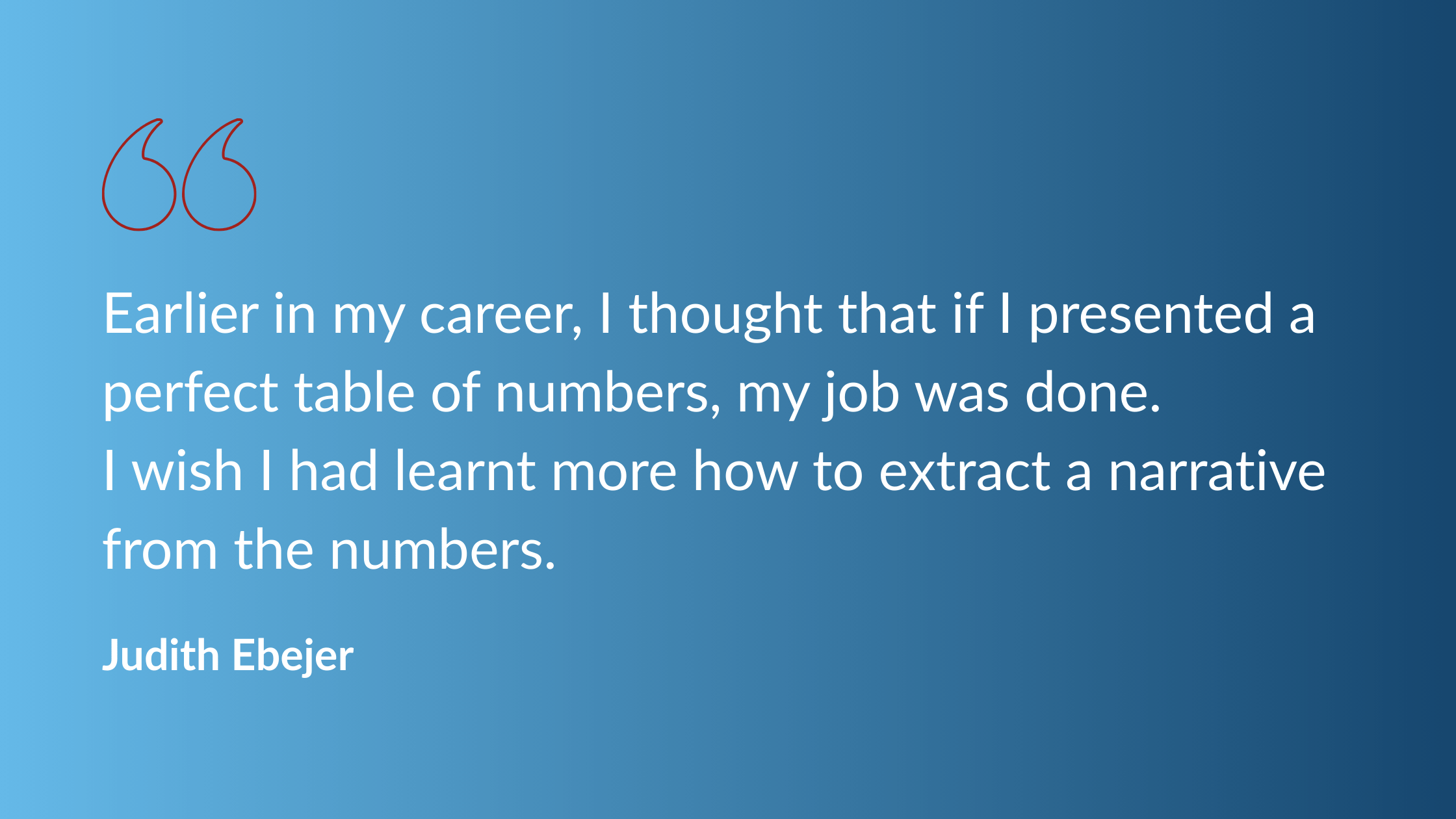
"I wish I had realised earlier that a spreadsheet is not a communication tool," Judith admits.
Jurgen points out that this is where many strong professionals get stuck, focusing on "outputs over outcomes." They produce technically correct packs and dashboards, but "the real gap is translation."
"You can be technically right and still not get traction," Jurgen says. "If I flagged a risk or signed off a number, it carried weight because they knew I’d done the work properly... but I also knew it wouldn’t be enough to get me to the top."
The shift requires moving from reporting what happened to explaining why it matters.
3. Step out of the finance silo
As finance roles evolve, they often bleed into operations, strategy, and management. Stepping out of the finance silo is often where the real value is created.
Anton highlights that a common trap is to strictly "do minimum tasks" and report only what is directly asked, adopting an attitude of "it's not my job."
"There are these 'areas in the middle' that no one is tackling," Anton observes. He describes situations where departments work in silos - sales chasing revenue at all costs while operations tries to cut expenses - and no one is bridging the gap.
Anton believes that to do the job properly, especially in family-run businesses, you have to "go beyond reporting figures" and be part of operations. "It’s useless if I focus only on reporting numbers, and then the elephant in the room is not tackled."
4. Commercial empathy and influence
Ultimately, the transition from a finance manager to a strategic partner requires a skill Judith calls "Commercial Empathy."
"Applying commercial empathy means understanding what mattered to each stakeholder and adapting the message accordingly," Judith says. It’s about challenging decisions constructively in a way that is "financially sound and commercially realistic."
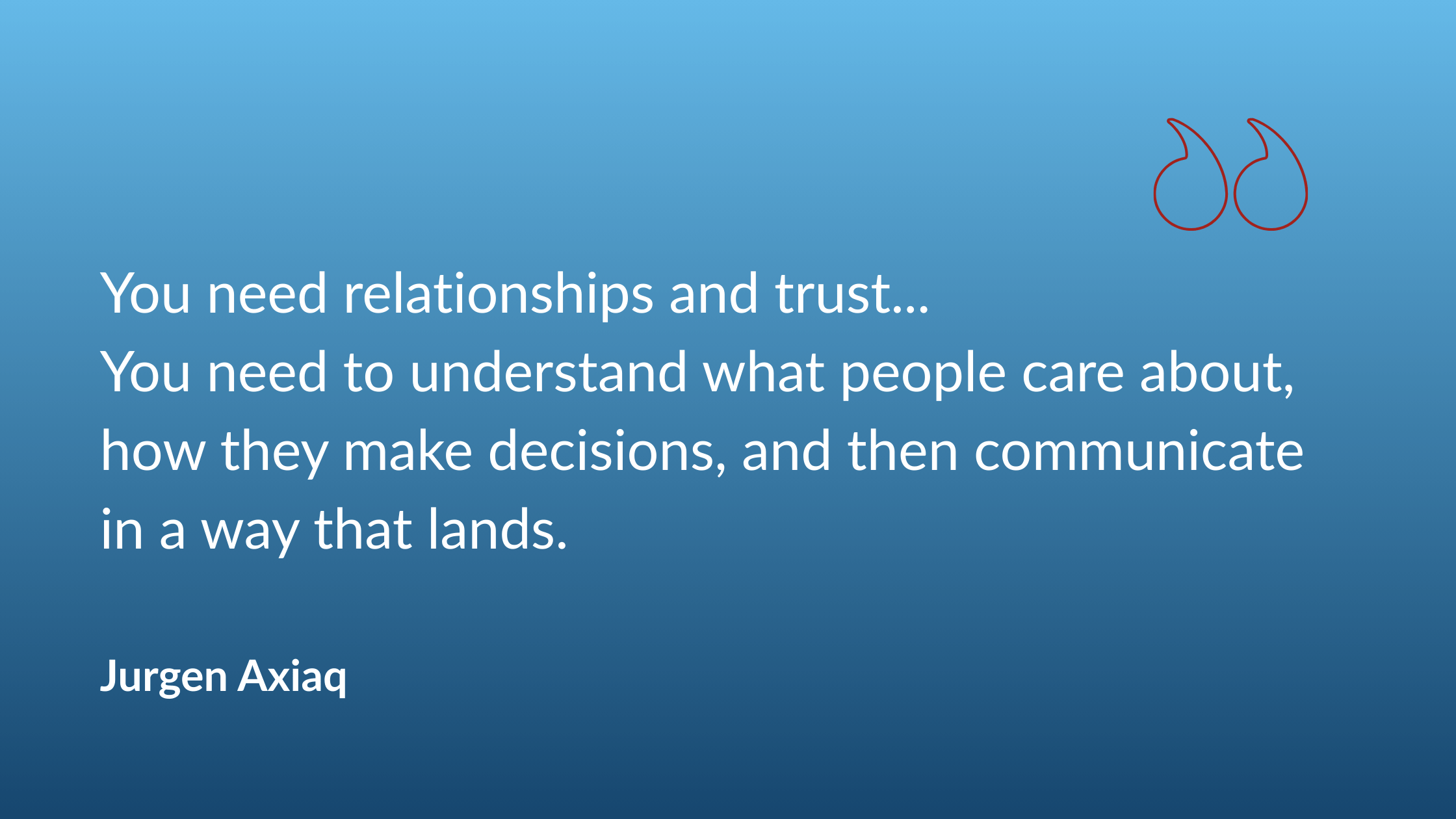
Jurgen emphasises that true influence is rarely built on hierarchy or a rigid "finance says so" mentality. "Influence is built in a different way," Jurgen explains. "You need relationships and trust... You need to understand what people care about, how they make decisions, and then communicate in a way that lands."
His advice to mid-career professionals is: "Stop trying to win by being the most technically correct person in the room. That’s the baseline. If you want to level up, become the person who turns numbers into decisions and action."
5. Challenge the status quo
It is easy to get comfortable with established processes, especially when they seem to work. However, real growth often comes from questioning the routine.
Anton Pisani values professionals who are not afraid to be inquisitive. "I like young people who ask, 'Why not do that? Why?'... rather than an attitude of resistance to change," he says.
He warns that a major hindrance for finance professionals can be getting comfortable and simply maintaining the existing systems. Instead, the focus should be on the "value of improving, doing better".
This mindset extends to adapting to new tools and technology. Rather than viewing developments like AI as a threat, Anton advises professionals to be positive and ask: "How can I achieve more using the tool?".
Building a Finance Career That Goes Further
The common thread among these leaders is clear: technical skills are the foundation, but they are not the ceiling. Whether it is a focus on timely reporting over perfect accounting, or a shift towards commercial empathy, the next step in your career likely lies outside the spreadsheet.
At Konnekt, we understand that building a career is about more than just matching a CV to a job description. It’s about finding the right environment where you can develop these broader skills and grow into a true business partner. If you are looking to take that next step, we’re here to help you navigate the journey.
Ready to take the next step in your finance career? Browse our finance vacancies.