
To transition from a traditional accounting role to a strategic finance business partner, you must learn how to explain finance to non-finance stakeholders. That means dropping the technical jargon - accruals, EBITDA, and variance analysis - and telling the story behind the numbers in a commercial way. Mastering this skill helps you communicate better, align with other departments, and have more impact when it comes to business decisions. It is also the top differentiator for finance professionals who want to reach the C-suite.
You’ve spent weeks closing the month-end accounts. The numbers match perfectly. You enter the management meeting, present your detailed spreadsheet, and explain the negative variance in operating expenses.
Then the Sales Director checks their phone. The Head of Operations gazes out the window. The CEO asks a question, showing they have no clue about your presentation.
At Konnekt, I often see this happen. Many skilled finance professionals hit a career ceiling, not because they lack technical skills, but because they use accounting jargon while others discuss operations, sales, and growth.
To transition from a back-office "number cruncher" to a valued strategic partner, you must learn to drop the jargon. And telling the story behind the numbers is the most important skill you can develop.
3 Ways Clear Communication Accelerates Your Finance Career
In a recent Konnekt interview panel discussing the career lessons finance professionals wish they had learnt earlier, the CFOs we spoke to highlighted one key point: a spreadsheet is not a communication tool.
By developing your communication skills and learning to explain financial concepts to non-finance managers, you can help drive your company's success and support your own career progression.
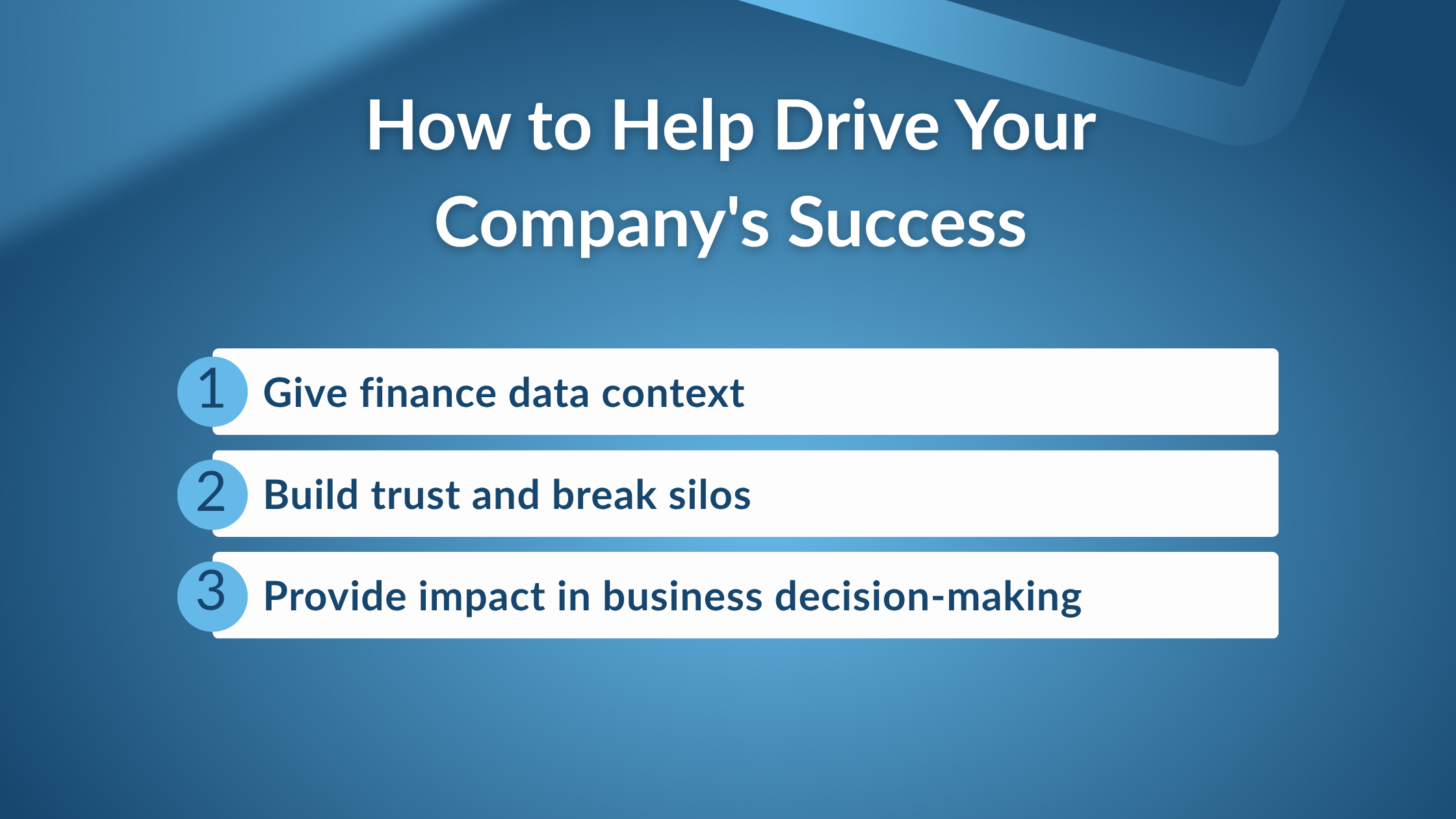
1. Give finance data context
When you use heavy financial jargon, you force non-finance stakeholders to do the mental heavy lifting. If you tell the Head of Marketing that "we need to adjust our accruals to manage working capital constraints", they have to decode the accounting terms before they can even grasp the business problem. Often, they tune out.
When you use simpler language, the barriers come down. Instead of talking about working capital, you say: "We need to collect our outstanding invoices faster so we have the cash to fund your new marketing campaign next month." This way, Marketing can see the relevance and care about the finance report.
2. Build trust and break silos
Finance departments often operate in isolation, seen as the "corporate police" by the rest of the company, who just say “no” to budgets.
Translating your financial insights into operational reality shows you have a grasp of the daily pressures your colleagues face.
If Operations is struggling with supply chain delays, a standard P&L statement will not help. But if you can look at the data and say, "The numbers show that paying a 5% premium for expedited shipping will save us 15% in lost sales due to stockouts", you are no longer just reporting. You are helping them to solve their business problem, and bridge the gap between departments.
3. Provide impact in business decision-making
The skills that get you hired as an accountant - accuracy, compliance, and risk mitigation - are not the skills that get you promoted to Finance Director.
Leaders are promoted because of their influence. If you cannot explain financial concepts in a simple way, your influence is limited. Mastering finance business partner skills means turning reports into decisions that shape outcomes.
How to Tell the Story Behind the Numbers
How do you actually start communicating better? It begins with shifting your focus from what happened to why it matters.
1. Apply the "So What?" Rule
Before you hit send on any financial report, look at your top three findings and ask yourself, "So what?" three times.
- Fact: Revenue is down 10%. (So what?)
- Implication: We will miss our Q3 cash flow targets. (So what?)
- Action: We need to freeze hiring in non-essential departments immediately.
Bring the action to the meeting, not just the fact.
2. Stop Leading with the Spreadsheet
People connect with narratives and stories. Start your meetings with a one-paragraph executive summary that tells the story of the month. Use the spreadsheet only as an appendix to back up your claims if someone asks for the granular data.
3. Learn the Business's Language
Spend time with different department heads. If you are speaking to the Tech team, frame financial risks in terms of "technical debt" and "deployment speeds". If you are speaking to Sales, frame it around "customer acquisition cost" and "pipeline conversion".
Free Resource: The Finance Jargon Translator
Are you ready to stop losing your audience in management meetings? We have created a cheat sheet to help you translate complex accounting terms into language your CEO, Sales, and Operations teams will actually care about.
Download the Finance Jargon Translator (PDF)

Frequently Asked Questions
Why are communication skills important in finance?
Communication skills are essential because financial data is useless if the business cannot understand it to make decisions. Finance professionals must translate complex regulations, risks, and performance metrics into clear, actionable advice for stakeholders who do not have an accounting background.
How do you transition from an accountant to a strategic finance role?
Transitioning requires a shift from focusing purely on historical reporting (what happened) to forward-looking strategy (what we should do next). This requires developing finance business partner skills, building relationships across departments, and prioritising commercial outcomes over 100% spreadsheet perfection.
How do you explain financial concepts to non-finance managers?
Avoid accounting terminology. Use analogies, focus on the immediate business impact, and tie the financial concept directly to their specific departmental goals. Always answer the question "How does this affect our daily operations?"
What are the most common career mistakes finance managers make?
The most common mistake is assuming the data speaks for itself. Many mid-career finance professionals fail to advance because they focus entirely on being technically flawless, ignoring the need to build cross-departmental influence, present well, and drive strategic change.
Are you looking for a company that values your strategic mindset?
At Konnekt, we specialise in placing high-impact Finance professionals in top companies in Malta, Cyprus and beyond. If you are ready for a role where you can truly act as a business partner, browse our latest finance vacancies.