
As a leader, you invest in strategy, technology, and market positioning. But what if the most powerful driver of your company’s success is something less tangible? It’s a healthy feedback culture. Too often, there’s a gap between what leaders think and the reality their employees experience, a culture of silence where potential stagnates and talent walks away. This gap is especially visible in Malta, where many workplaces remain highly hierarchical, making employees hesitant to speak openly for fear of conflict, rebuttal or due to close-knit teams.
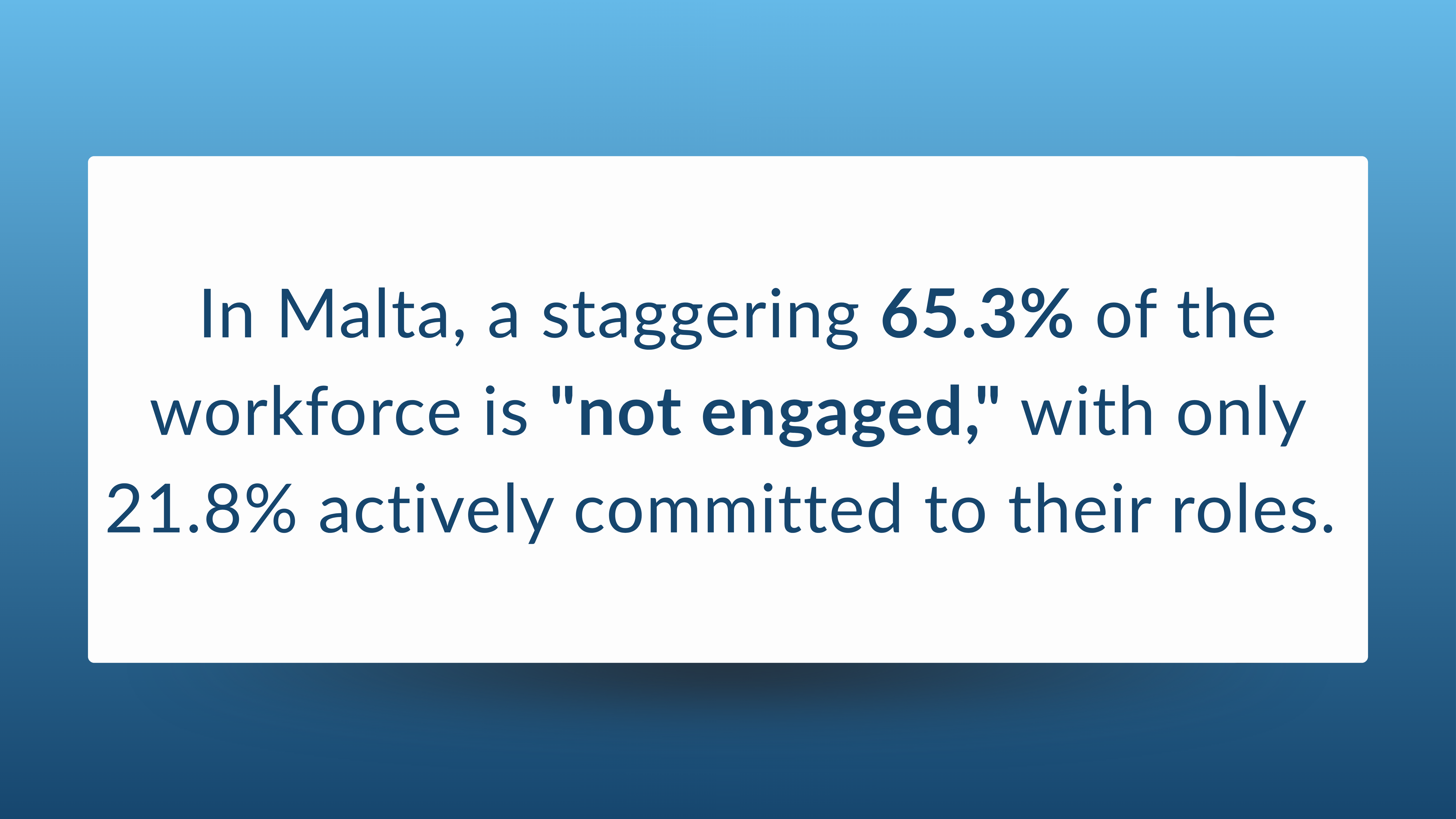
The numbers don’t lie. According to Gallup, companies with highly engaged employees are 23% more profitable. Yet, in Malta, a staggering 65.3% of the workforce is "not engaged," with only 21.8% actively committed to their roles. At the same time, 70% of Maltese companies list employee retention as a top concern. In this context, overlooking feedback is not a missed opportunity, but a risk to your bottom line.
Local recruitment trends confirm this: skilled professionals now actively seek employers who offer ongoing guidance, clarity, and growth. Regular, candid and constructive feedback has become a competitive advantage in retaining talent.
The Real Meaning of Feedback in Today’s Workplace
Modern feedback is about creating a path forward, not pointing out flaws. It's a strategic dialogue that fuels growth, trust, and alignment.
Feedback vs. Criticism: Clearing Up the Misconception
Many leaders and employees get feedback and criticism mixed up. Criticism is personal, destructive, and focused on past mistakes. Constructive feedback, on the other hand, is forward-looking and task-oriented. It's about what can be done better next time, not about who was wrong. This type of feedback builds confidence and capability; it doesn't demolish them. When delivered properly feedback is a true gift to the receiver allowing them to internalise it and grow from it.
However, in many Maltese organisations, the lack of training for managers means feedback may not be delivered in the best way and as a result, it risks being interpreted as criticism. Therefore, employees aren’t always confident that feedback conversations are safe, so they avoid them, reinforcing a culture of silence.
Continuous Feedback vs. Annual Reviews
The annual review is a thing of the past. Saving feedback for a single, high-stakes meeting is ineffective and anxiety-inducing. High-performing organisations have moved on to continuous performance management. This approach involves frequent, informal check-ins that make feedback a normal part of the workflow.
Locally, the companies that stand out are those that leverage modern performance tools like Talexio to build structured check-ins into their routines. These platforms allow you to create informal check-ins rather than annual review cycles, ensuring feedback doesn’t get pushed aside during busy periods.
Why Feedback Should Flow Both Ways - Top-Down and Bottom-Up
Contrary to popular belief, where feedback flows from the top - a true feedback culture is a two-way street. Top-down feedback provides guidance, while bottom-up feedback is just as important. When employees can share their perspectives with management, it builds trust and psychological safety. It also gives leaders invaluable insights on what may be happening within the organisation and how certain things that are perceived one way by management may be perceived categorically differently elsewhere.
This is especially important in Malta, where employees often fear “rocking the boat.” Creating structured, predictable channels such as regular one-to-ones or anonymous surveys helps overcome this hesitation.
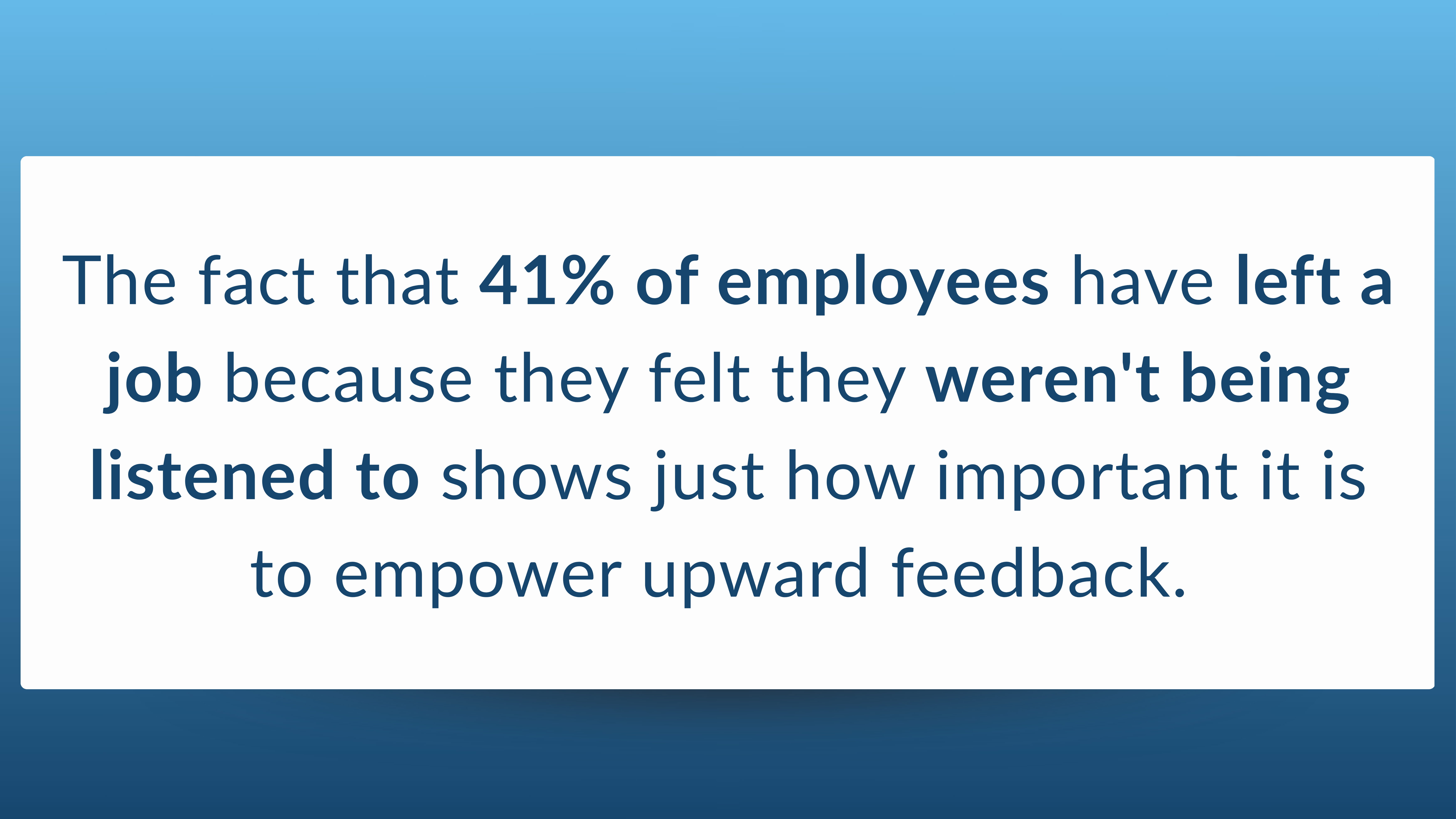
The fact that 41% of employees have left a job because they felt they weren't being listened to shows just how important it is to empower upward feedback – it's not just good for morale, but a powerful retention strategy.
Konnekt recruiters increasingly hear candidates ask what management culture is like, whether communication is open, and whether they’ll have opportunities to grow - clear signs that two-way feedback is now part of the employment decision.
6 Reasons Why Feedback Is Non-Negotiable in High-Performing Organisations
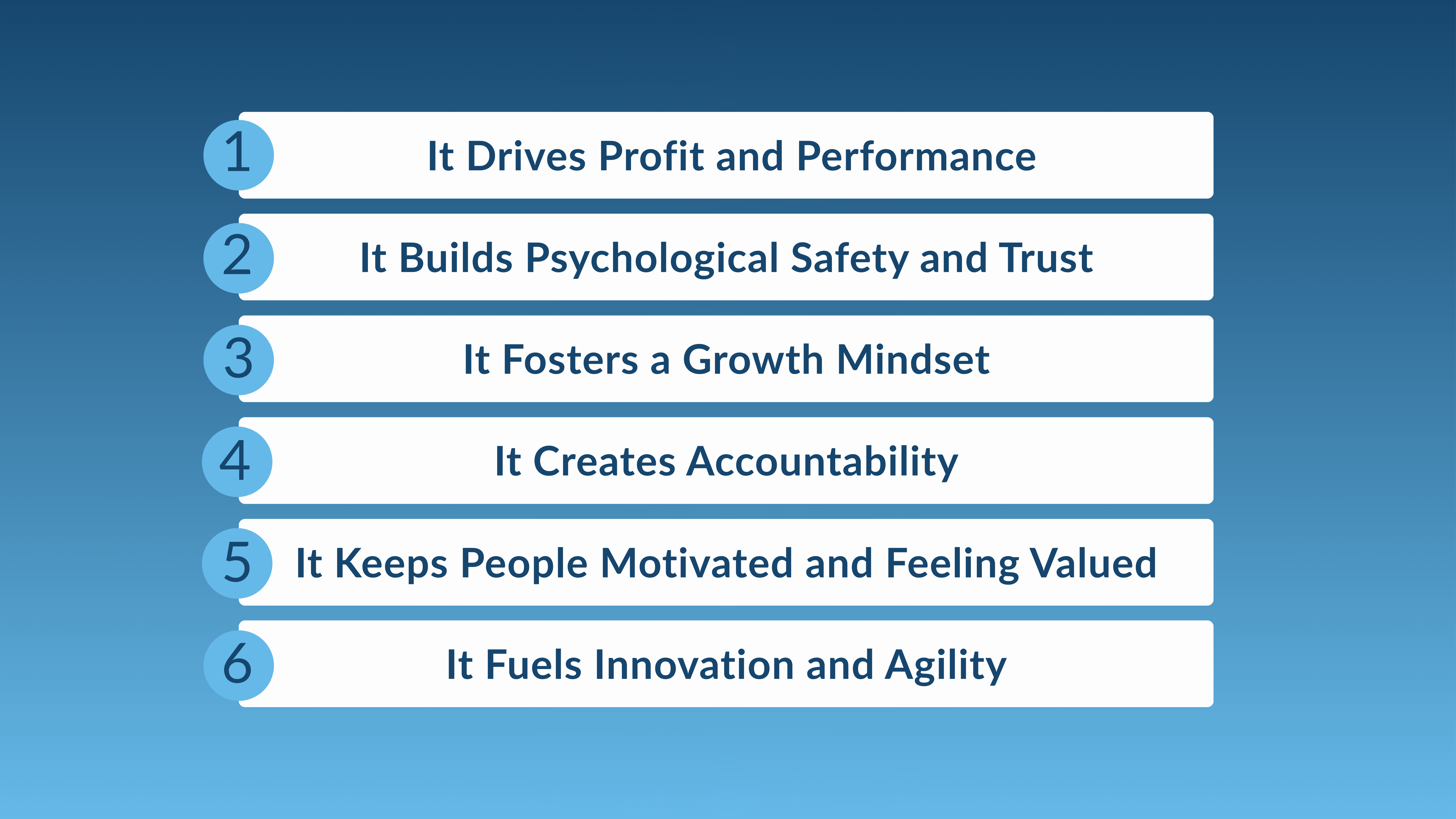
A strong feedback culture is the backbone of effective teams and sustainable growth. Here’s why the best organisations prioritise it.
1. It Drives Profit and Performance Feedback directly impacts results. Engaged teams, shaped by consistent feedback, deliver 23% stronger financial performance.
2. It Builds Psychological Safety and Trust People do their best work when they feel safe to speak up. Constructive feedback helps create that safety, reducing anxiety and strengthening trust across teams. In Maltese workplaces, where people often work closely for many years, psychological safety is essential, otherwise, discomfort and unspoken issues accumulate.
3. It Fosters a Growth Mindset Regular feedback turns mistakes into lessons and therefore, into progress. It helps teams adopt a learning mindset, making them more resilient, more adaptable, and better equipped to handle change. Candidates increasingly choose employers who invest in their development through ongoing, actionable guidance.
4. It Creates Accountability Clear, regular feedback removes guesswork. It keeps everyone aligned, focused on the right goals, and more likely to take ownership of outcomes.
5. It Keeps People Motivated and Feeling Valued Recognition is powerful. Employees who feel appreciated are 69% more likely to improve performance. Feedback, when done well, is the most consistent form of recognition. This is one of the top motivators mentioned by candidates in Malta - people want to feel seen, not only noticed when something goes wrong.
6. It Fuels Innovation and Agility Innovative teams rely on open feedback. When ideas flow freely in all directions, organisations become more responsive, creative, and ready for whatever comes next.
How HR Leaders and CEOs Can Build a Feedback Culture
It doesn't happen by accident. Shifting to a culture of feedback starts with clear action and consistent leadership.
-
Set the Tone from the Top: Culture change starts with senior leadership. Executives must lead by example, openly asking for feedback and showing they act on it. That visibility sets the standard across the organisation. Organisations that do this well create a ripple effect - once managers see leadership modelling openness, they follow.
-
Train Managers to Give and Receive Feedback Effectively: Most managers have never been trained to give feedback. Invest in coaching that teaches them how to deliver candid, specific, empathetic, and actionable input. Without this training, feedback becomes inconsistent or avoided, a challenge recruiters hear repeatedly from candidates who leave due to unclear expectations.
-
Use Structured Tools: Embed feedback into everyday operations with tools like pulse surveys and 360-degree reviews. These make feedback routine, trackable, and easier to act on. Anonymous surveys are particularly effective in Malta’s small teams, where employees may hesitate to voice concerns face-to-face.
-
Make Feedback Timely, Specific, and Actionable: Generic comments like “nice work” don’t help anyone improve. Teach teams to use frameworks like STAR (Situation, Task, Action, Result) to anchor feedback in real examples with clear outcomes.
- Recognise and Reward Feedback-Driven Behaviors: Shine a light on those who give and use feedback well. Recognition reinforces the message: feedback matters, and it’s everyone’s responsibility.
The Role of Feedback in Recruitment and Onboarding
A strong feedback culture is a talent magnet, influencing every stage of the employee lifecycle.
-
Gathering Candidate Feedback to Improve Hiring Experience: Asking candidates about their interview experience provides valuable data to refine your process, making your company more attractive to future applicants.
-
Using Feedback Loops to Refine Job Roles and Expectations: Continuous dialogue between managers and new hires helps clarify and adapt roles to meet evolving business needs, ensuring alignment from the start. At Konnekt, recruiters increasingly recommend this approach because it helps new employees feel supported, confident, and aligned from day one.
- Integrating Feedback Touchpoints in the First 90 Days: Strategic onboarding should be rich with feedback. Frequent check-ins during the initial months accelerate a new hire's productivity and reinforce that the company is invested in their success.

The evidence is clear: regular feedback is a key business strategy. It drives engagement, boosts performance, and builds resilience in organisations, helping them stay competitive.
However, a strong feedback culture doesn't begin with training programmes - it starts with the people who lead the business and flows to the choices you make in the candidates you hire. This is where we can make a difference.
At Konnekt, we specialise in matching companies with candidates who share our values of open communication, continuous growth, and collaboration. Our recruitment approach is designed to find individuals who will not only thrive in your environment but also contribute to its growth.
If you're looking to build a team that supports a high-performance culture, get in touch to learn more about our recruitment services.
Author: Rebecca Calleja is a Recruitment Consultant at Konnekt. Leveraging a catering background, she excels in understanding people, assessing potential, and guiding candidates through the recruitment process.